



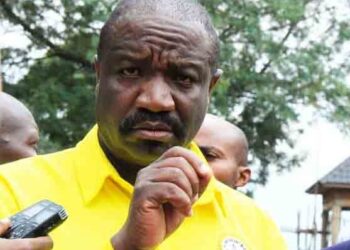
Up to 50% of UPE learners fail exams due to missing lunch, Kisoro Deputy RDC Dan Ndikumwami says.
Speaking to Voice of Muhabura ahead of the third term reopening, Mr Ndikubwami, has called on parents to ensure children enrolled in Universal Primary Education (UPE) schools receive lunch at school, linking improved nutrition directly to better academic performance.
He expressed concern that many pupils who return home for lunch often fail to come back for afternoon classes. He urged headteachers to actively engage parents on the importance of school-based feeding.
“I urge parents to be flexible. They should ensure that their children have lunch at school. The bottom-line is that head teachers should call for meetings with parents and help address this mindset problem. Sending a child to school without lunch is wastage of time,” said the Deputy RDC.
Rev. Sam Ziita, headteacher of Muganza Primary School—one of the top-performing UPE schools in Kisoro—said school-based feeding has played a key role in boosting both attendance and performance.
“Pupils who eat lunch at school tend to attend all lessons and perform much better. We agreed with parents that if they can’t afford to contribute money, they can bring food items. This has been a cornerstone in our improved performance,” Rev. Ziita explained.
At Seseme Primary School, headteacher Samuel Baker Munyantwari reported that more than 100 pupils in both nursery and primary sections are already receiving meals at school. He encouraged more parents to adopt this model, citing tangible improvements in learner consistency and concentration.
“Following several meetings, we reached a resolution that learners had to get good meals at school. It boosts their concentration and avails them for afternoon lessons. Much as some parents have not yet enrolled on the system, the number is steadily increasing,” he said.
National School Feeding Programme in 2026
Meanwhile, the Ministry of Education and Sports has confirmed that a long-awaited national school feeding programme will be implemented starting in the 2025/2026 financial year, likely beginning in the first term of the 2026 academic year.
The announcement was made by First Lady and Minister of Education and Sports, Janet Kataha Museveni, during the NRM manifesto progress report event held at State House Nakasero late last year.
The programme aims to tackle the widespread problem of children attending school on empty stomachs—a challenge that has been consistently linked to poor academic outcomes, low retention, and high absenteeism in public schools.
Dedicated Funding and Local Sourcing
“The goal is to ensure that every learner gets something to eat,” said Dr Denis Mugimba, spokesperson for the Ministry of Education.
Dr Mugimba revealed that the programme will include a dedicated funding mechanism, separate from the current capitation grants, specifically allocated for school feeding in all primary schools.
The funds will be distributed based on school enrollment numbers and local food costs, allowing schools flexibility in selecting meals according to available resources and regional food preferences.
Currently, only about 30–35% of pupils in UPE schools receive meals at school, with the rest attending classes hungry. In regions like Kisoro, the burden has fallen heavily on parents and local communities to sustain school feeding—leading to unequal access and inconsistent support.


Discussion about this post